
























Blog
2024
Picking the right 1:1 device: Flexbook

The introduction of 1:1 devices in education has transformed the learning landscape
Read More2024
Check out our new Flex Range videos!
See more of our Flex Range with our brand new product videos
Read More2024
It's nearly time for Bett 2024!

Visit us at Bett 2024 for a sneak peak of our brand-new green PC, Broadleaf.
Read More2023
Join us at the Bett Show 2024
Join VeryPC at the Bett Show 2024, from 24th to 26th January, at the Excel London.
Read More2023
Introducing Broadleaf, our brand-new Green PC
VeryPC have teamed up with JWIPC to deliver a sustainable, eco friendly Green PC
Read More2023
New products, exclusive socks, and the team at Schools & Academies Show 2023
Come see the team at the Schools & Academies show at the NEC in Birmingham on 22nd November.
Read More2023
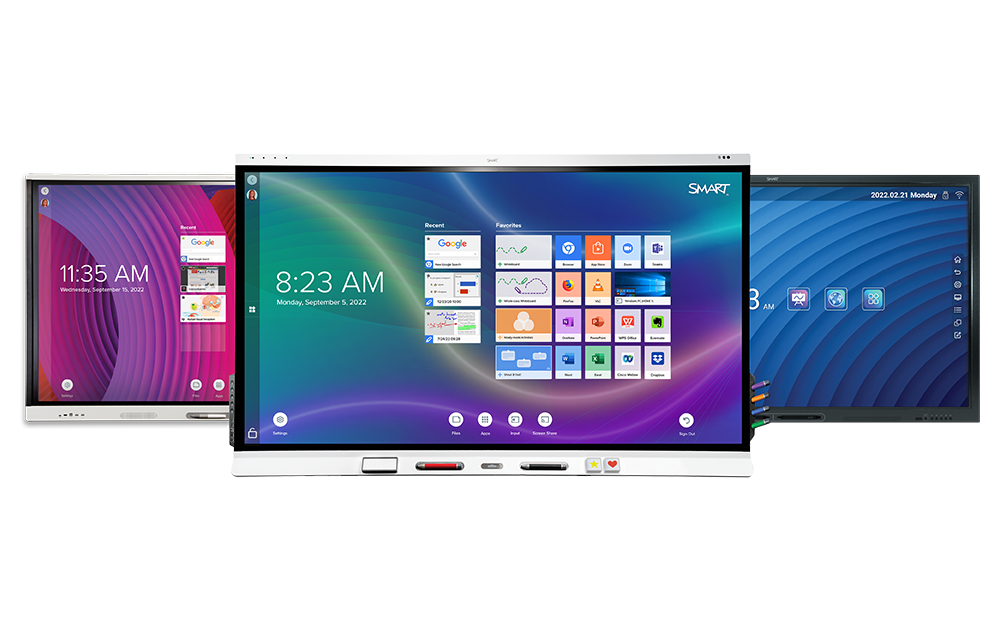
More than just a SMART Board!
SMART takes learning deeper with their Tool Explorer™ which bridges physical objects with digital learning.
Read More2023
Back at BETT! See you in March

VeryPC is thrilled to announce that we will be exhibiting at the BETT Show again this year!
Read More2023
UK Safer Internet Day 2023
UK Safer Internet Day promotes a safer and more responsible use of online technology and mobile phones among children and young people.
Read More2023
Data Privacy Day 2023
Data Protection Day is an annual event on January 28th to raise awareness about the importance of data protection and privacy.
Read More2023
Come see us and JWIPC in Barcelona for ISE 2023!

Integrated Systems Europe (ISE) is one of the world's largest and most influential trade shows for the professional AV and electronic systems industry.
Read More2022
Behind The Scenes: Dylan
We are going to be taking a look behind the scenes and highlighting our amazing colleagues who play vital roles in getting your products to you.
Read More2022
VeryPC 2022 Christmas Wrap Up
It's that time of year again. When we all start reflecting on the past 12 months. Here's a little look back at VeryPCs 2022.
Read More2022
Featured Build: Esports PC

Check out our very first Esports PC Featured Build below, powered by Western Digital's WD_BLACK SN850X NVMe™ SSD.
Read More2022
Transform your big screen with the magic of OPS
You can use OPS for various solutions, and you're limited to your imagination and technical prowess. But here is a few everyday things that OPS is perfect for
Read More2022
The School Rebuilding Programme
The school rebuilding programme carries out major rebuilding and refurbishment projects at school and sixth-form college buildings across England.
Read More2022
SMART Interactive Boards - The best investment for your classroom

Interactive displays are powerful and engaging learning tools that encourage participation.
Read More2022
Digital Signage – The smart way to keep everyone informed
OPS digital signage systems are a discreet, smart way to POWER UP any standard or interactive display. Convert any big screen into an all-in-one computer.
Read More2022
Scary Cyber Threat Stats this October

As we approach the end of October and ever closer to Halloween it’s time to talk about cyber threats and best practices to prevent these.
Read More2022
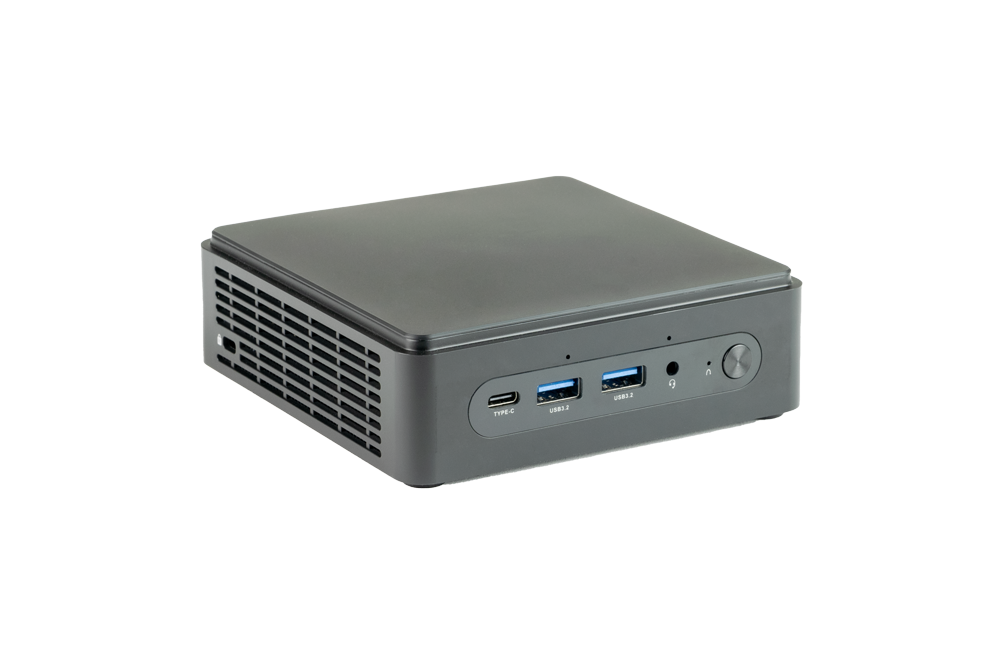
5 Reasons Why You Need A NUC PC
If you want a PC that is powerful enough to handle your daily computing activities but small enough not to take up half of your desk, look no further!
Read More2022
Engage your students like never before with Lumio by SMART
Deliver engaging lessons no matter where your learner are with Lumio by SMART.
Read More2022
4 Reasons to choose OPS for your Display Solution

If you're looking for a no fuss, no clutter, professional display solution the OPS system is a no brainer! Check out our top 4 reasons for choosing an OPS.
Read More2022
Take Ctrl this National Cyber Security Month

Since our lives are increasingly digitally connected, we must do our part to keep them safe and secure. October is very important in the calendar for the...
Read More2022
Is it time to upgrade to Intel 12th Gen?
Experts are saying the 12th Gen Intel processors are some of the best CPUs you can buy. Take a look at some of our top desktop PCs featuring 12th Gen.
Read More2022
Choosing the right SSD for your computer
Whether you're a professional creator or SMB, managing data is important business. For optimal performance, we recommend a good solid-state drive (SSD).
Read More2022
Why you should consider the VeryPC Thinbook?
Designed for both education or business, the VeryPC Thinbook is the easiest laptop buying decision you could ever make and here are some reasons why.
Read More2022
Back to School Tech Essentials for 2022
From laptops to desktop PCs, digital signage and charging trolleys, VeryPC have everything you need to kickstart the new school year…
Read More2022
Business On The Go? Here’s our Top Tech Recommendations
We’ve compiled our top tech device recommendations for fast-paced, flexible businesses with employees who are ‘on the go’.
Read More2022
A guide to Digital Signage for Business
Are you considering digital signage for your business? Here's our guide to getting started!
Read More2022
eSports in Education - 5 reasons your school should get involved today
Following the creation of the world’s first eSports BTEC qualification by Pearson in April 2020, UK institutions now have more opportunities than...
Read More2022
ISE 2022 - networking and sunshine

What a week! As I’m writing this blog post, the temperatures are roughly the same as they were last week in Barcelona where myself, Colin, Jack and Ryan we...
Read More2022
VeryPC has been awarded SMART Platinum Partner status
Big news… We’re delighted to announce that VeryPC has been awarded SMART Platinum Partner status!VeryPC has built an amazing relationship with SMART over...
Read More2022
Meet the VeryPC family at Bett 2022

We're back! It's all systems go for Bett 2022 and we can't wait to see you. If you visited us at the show in January 2020 (feels like an eternity ago...
Read More2022
Boost Productivity with an 11th Gen Intel Core Processor
Half term has been and gone. Deadlines are looming. Can your CPU keep up? Maybe it’s time for a well-deserved upgrade… Luckily for you, VeryPC are proud to...
Read More2022
VeryPC launches partnership with TrilbyTV
We have some exciting news! We are proud to announce our partnership with TrilbyTV, a leading brand that provide digital signage solutions, made for...
Read More2022
Buckinghamshire College Group: An esports success story!
Towards the latter stages of 2021, here at VeryPC we refreshed our range of Gaming PCs built with esports in mind. Now, for those that aren't aware...
Read More2022
Visit us at Bett 2022!
The Bett Show is back! Well, hopefully. As things currently stand, there isn't long to go until team VeryPC return to the London ExCel arena for Bett 2022...
Read More2021
It's the season to be jolly
Hello! Well, just like last years message, I didn’t think I would still be working from home writing the annual Christmas message… but it’s fair to say it...
Read More2021
The Importance of Security Awareness Training
Back in March 2020 when most people up and down the country were sent to work from home due to the coronavirus outbreak, the top priority wasn’t to ensure...
Read More2021
Benefits of switching to Chrome
Over the last year, here at VeryPC, we have seen a rise in the demand for anything and everything Chrome. From the latest Chrome devices through to licence...
Read More2021
VeryPC partners with NowSignage to provide digital signage bundles
VeryPC is pleased to announce our partnership with NowSignage, an award-winning digital signage CMS, to facilitate an ‘easy to buy’ bundle of hardware and...
Read More2021
We’ve launched our new online shop!
After many months of hard work and dedication, VeryPC are pleased to announce the launch of our new online shop. Yep, that’s right. With one simple click of..
Read More2021
Shape your school’s future with Windows 10
et access to affordable devices made for education with VeryPC and Microsoft. The Shape the Future program allows schools to purchase devices with...
Read More2021
VeryPC understands our requirements
Forging long lasting relationships is essential for us here at VeryPC. We’ve long used the motto that when you buy from us, you’re joining our ever growing...
Read More2021
Google Chrome Device Management Licences price due to increase
I’m sorry to be the bearer of bad news but the cost of Google Chrome Device Management Licences is increasing, effective from 9th March 2021. Having...
Read More2021
Working from Home Phishing Emails on the Rise
With cyber and phishing attacks having increased significantly throughout the ongoing pandemic, alongside our partners KnowBe4, we thought we’d talk you...
Read More2021
How we’re supporting schools throughout the latest COVID-19 lockdown
Schools are once again closed, remote learning is becoming the “new normal” for most students and there’s no end in sight for the pandemic just yet. Here...
Read More2020
Season’s Greetings from all the VeryPC family
Season’s Greetings from all the VeryPC family Well, it’s been a hell of a year and I can’t quite believe it’s that time once again where I’m sat writing...
Read More2020
Notre Dame High School chooses VeryPC as their IT supplier
It’s quite often the case when it comes to new IT equipment in schools that you need three competitive quotes, before you can purchase your shiny new kit...
Read More2020
We've beaten the odds and had a record breaking Summer!
A new academic year begins Now that we’re a few weeks into the new school term and the chaos of students returning is behind you, I thought this would be...
Read More2020
Blended Learning with VeryPC and SMART
Be there for your students, anywhere. With VeryPC and SMART Technologies. It’s been a tricky few months for those working in the education sector. So, as...
Read More2020
The future of schools and education post COVID-19
I think we can all agree, that for our friends who work in schools across the country, it hasn’t been a typical school year! In particular, I.T. department...
Read More2020
Social Distancing stickers: utilising our in-house skills
The colouring-in-department for many years now have been providing our famous custom branding options on our own desktop PCs and laptops and Tier 1 devices...
Read More2020
Get ahead of the game with VeryPC
I hope you are keeping well in these unusual times. I'm writing this blog from my newly converted office (it was the spare bedroom, but needs must!) to...
Read More2020
COVID-19: Phishing attacks are on the rise
Did you know that cyber and phishing attacks have increased by a staggering 667% throughout March 2020 alone? Whilst the majority of the country are still...
Read More2020
COVID-19: The VeryPC team are working from home
Like most people around the country the majority of the VeryPC team are currently working remotely from their homes due to the Coronavirus outbreak. By now...
Read More2020
VeryPC at ISE 2020
Who doesn’t love a trip away with work? Once again, I was lucky enough to attend Integrated Systems Europe (ISE), the largest AV and systems integration...
Read More2020
Bett 2020: My first experience!
Well, where do I begin? Bett 2020 was an astonishing week for everyone here at VeryPC and it was wonderful to talk about all things IT to such a large...
Read More2019
Meet the VeryPC team at Bett 2020
If you’ve not seen our exciting news, then where have you been?! We’re proud to be exhibiting at the Bett show in January. After years of visiting, we’re...
Read More2019
Season's Greetings from the VeryPC family
Well, that went quick! Another year is coming to an end but a whole new decade for VeryPC is about to begin. Before that though, myself and the team are...
Read More2019
The Evolve Trust chooses VeryPC for their Tier 1 tech
We love what we do here at VeryPC. Technology is our business and we love supplying schools and businesses across the UK with our own range of VeryPC...
Read More2019
VeryPC provides Worthing High School with a new IT set up
Whether you’ve bought from us just the once or we’ve helped you kit out several IT suites, you’re a part of the VeryPC family. So as you can imagine, when...
Read More2019
Train your staff against cyber attacks with our online webinar!
One click. That's all it takes to cause serious technical and financial issues to your school or organisation. No matter how many levels of protection or...
Read More2019
Our most successful Summer, ever!
The school bell rings again The doors are open and the kids are back…the Summer certainly flew by didn’t it? Whether you were lucky enough to take the...
Read More2019
VeryPC gives The Commonweal School’s IT suite a refresh!
When The Commonweal School in Swindon got in touch with us looking to update one of their IT suites we were more than happy to assist them with their...
Read More2019
Schools, it’s time to upgrade for the Summer holidays!

It’s certainly starting to feel like summer is here, especially at the VeryPC factory in sunny Sheffield. We’re donning our shorts and t-shirts as we gear...
Read More2019
We’ve been recognised as a SMART Gold Partner
We’re celebrating here at VeryPC as we are delighted to announce that we are now a SMART Technologies Gold Partner! This goes alongside our existing...
Read More2019
VeryPC works with Norseland Ltd to provide them with custom built PCs
We have long said that when you buy from us, you’re joining the VeryPC family, and we’ll look after you from day one. Even if you move to a new job or have...
Read More2019
VeryPC supply Nelson and Colne College with 250 bespoke Lenovo laptops
As you know, technology is our business here at VeryPC. However, nobody would blame you for thinking that we just focus on selling our own range of product...
Read More2019
VeryPC supply PC's for Manor School Sports College's new IT suite
When Manor School Sports College came to VeryPC looking to update one of their computer rooms we jumped on the opportunity to provide them with the product...
Read More2018
Merry Christmas from VeryPC
Well, it's hard to believe it's the end of another year here at VeryPC! Christmas has rolled around again and the whole team are looking forward to a...
Read More2018
VeryPC at Intel Partner Connect Europe
On Thursday 8th November VeryPC had the privilege of attending the Intel & Telelogos showcase held at Intel’s offices in Canary Wharf, London. Our Audio...
Read More2018
The GDPR Journey

Well here it goes, after months of reading about The General Data Protection Regulation, “GDPR’’ and time spent building information asset registers...
Read More2018
Meltdown and Spectre vulnerabilities – the essentials
As you may be aware by now, a pair of flaws, codenamed “Meltdown” and “Spectre”, have recently been discovered in the design of almost every central...
Read More2017
Launch of first SMART UK Regional Training Centre
Yesterday, it was my great pleasure to act as compère* at the launch event of the first SMART UK Regional Training Centre, right here at VeryPC, attended...
Read More2017
Back to School, folks!
It’s that time of year again All over the UK*, schools are opening their doors after the summer break. Whether you were lucky enough to get the holiday...
Read More2017
PC building: Getting it right the first time
This blog is attributed to the author: Jackie Edwards, a freelance tech writer. PC building: Getting it right the first time Looking to build your first PC...
Read More2017
VeryPC - awkward teenager
Watch out, technologyverse, today is VeryPC’s thirteenth birthday. We’re shedding our childlike innocence and instantly maturing into a fully rounded...
Read More